Odin, the enigmatic Allfather of Norse mythology, stands as a pivotal figure embodying wisdom, war, and poetry. Revered across Northern Europe, Odin’s storied legacy emerges from ancient texts and archaeological findings, illuminating his complex relationships and divine roles. This article dives deep into the mythology surrounding Odin, revealing his significance in understanding Norse cultural heritage.
The Origins and Nature of Odin
Odin, the Allfather, embodies the complex interplay of chaos and order within Norse mythology. As a central figure in the pantheon, he wields considerable influence over not only the cosmos but also the very fabric of life and death. His role as the chief god is particularly pronounced in matters of warfare and the afterlife; he acts as a guiding force for those who die in battle. Through the valkyries, his warrior maidens, he selects the bravest souls, ushering them to Valhalla, his grand hall. Here, those slain honorably feast and prepare for the foreboding day of Ragnarök, the twilight of the gods.
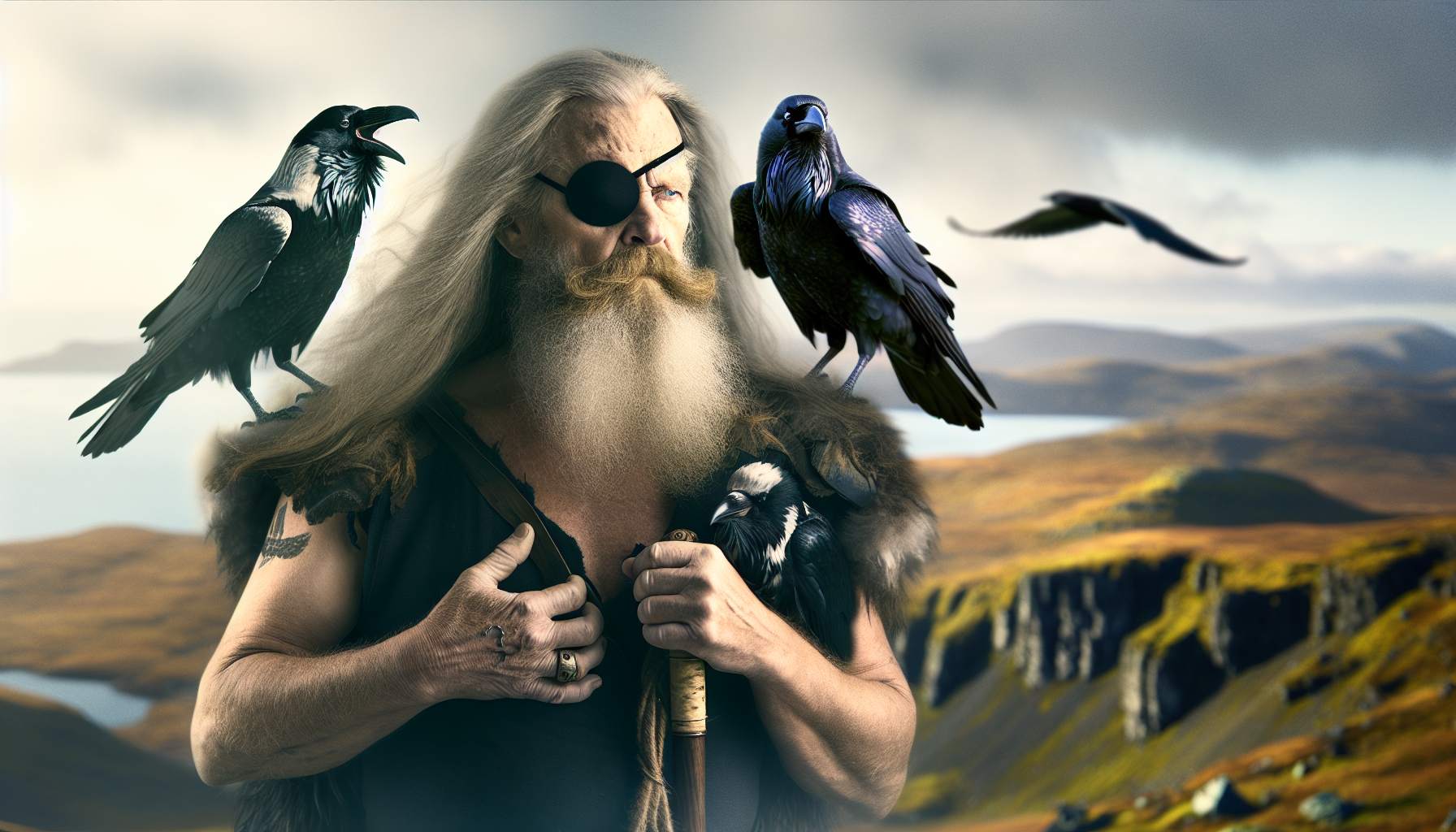
Odin’s character is deeply intertwined with the themes of fate and destiny. He is often depicted as a seeker of knowledge, sacrificing himself for wisdom by hanging on Yggdrasill, the World Tree, for nine days. His bond with the ravens, Huginn and Muninn, symbolizes his constant pursuit of information, while his relationship with wolves further embodies the primal aspects of war and the fierce nature of survival.
In the historical context, Odin’s influence extends into martial rituals and ceremonies that were crucial in Germanic cultures. He represents both the glory of battle and the acceptance of death,, maintaining a lasting legacy that resonates in modern media and neo-paganism, where he is revered not only as a warrior god but also a symbol of wisdom and sacrifice.
Odin’s Role in Norse Cosmology and Warfare
Odin occupies a central place in Norse cosmology as the deity who governs the realms of war, death, and the afterlife. His duality as both a bringer of wisdom and destruction reflects the complex nature of existence within Norse thought. Readers often encounter Odin as the commander of the souls of warriors, particularly through his loyal Valkyries, who are tasked with selecting those who will die in battle and escorting them to Valhalla, his majestic hall. This divine gathering place is not only a sanctuary for the slain but also a training ground for the einherjar, the fallen warriors destined to fight alongside Odin at Ragnarök.
In the prophesied cataclysm of Ragnarök, Odin’s role becomes paramount. He is depicted as a leader striving to prepare for the impending battle against the giants and mythical creatures threatening the cosmos. Yet, the myths foretell his tragic fate; Odin is destined to meet his end at the hands of Fenrir, the monstrous wolf, symbolizing the inevitability of death even for a god.
Historically, Odin’s significance permeated various Germanic cultures, fostering rituals centered around war and honoring the dead. His enduring influence resonates today, manifesting in modern media, literature, and the resurgence of neo-pagan practices, where he continues to embody wisdom, bravery, and the complexity of life’s battles.
Conclusions
In conclusion, Odin remains a symbol of multifaceted power, embodying the complexities of wisdom, warfare, and poetry. His enduring legacy in mythology and modern culture highlights the influence of Norse traditions on contemporary narratives. Understanding Odin not only enriches our appreciation of ancient beliefs but also encourages a reflection on the human condition and the pursuit of knowledge.